Getting started · 6 min read ·
Which digital piano should you buy? The models and prices I recommend
The question I get most from students and beginners. A digital piano is not a keyboard, the brands I recommend and what each model costs today.
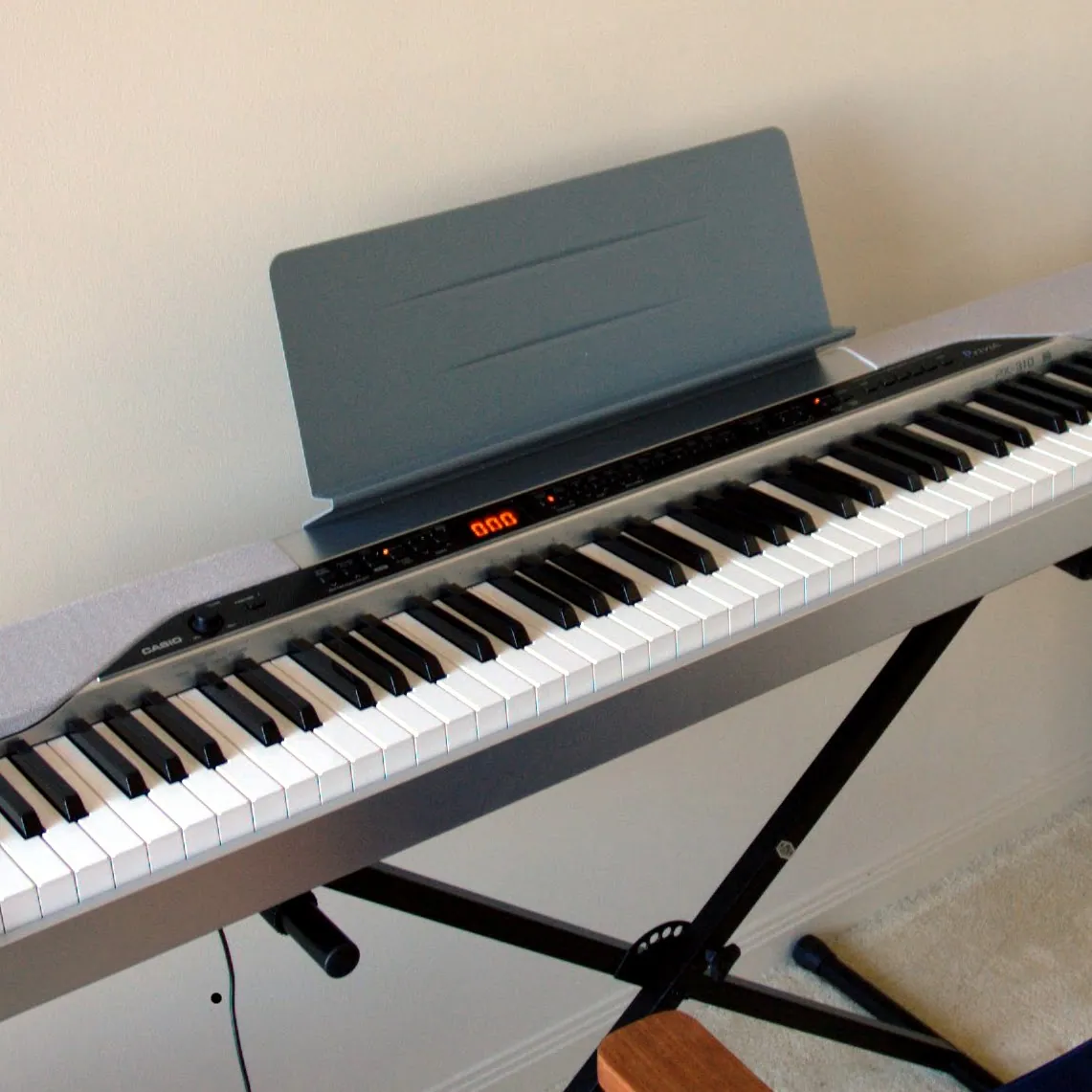
“Which piano should I buy?” It’s the question I get most, from students and from people about to start. The short answer: an 88-key digital piano from a brand with service in Brazil. The long answer is here, with the models I recommend and what they cost today.
A digital piano is not a keyboard
They look alike in photos, but they make a big difference in practice. A digital piano simulates an acoustic piano: it has all 88 keys, the same key weight and the same control of volume through your fingers. Light touch, soft sound; firm touch, loud sound. And it takes the same pedals.
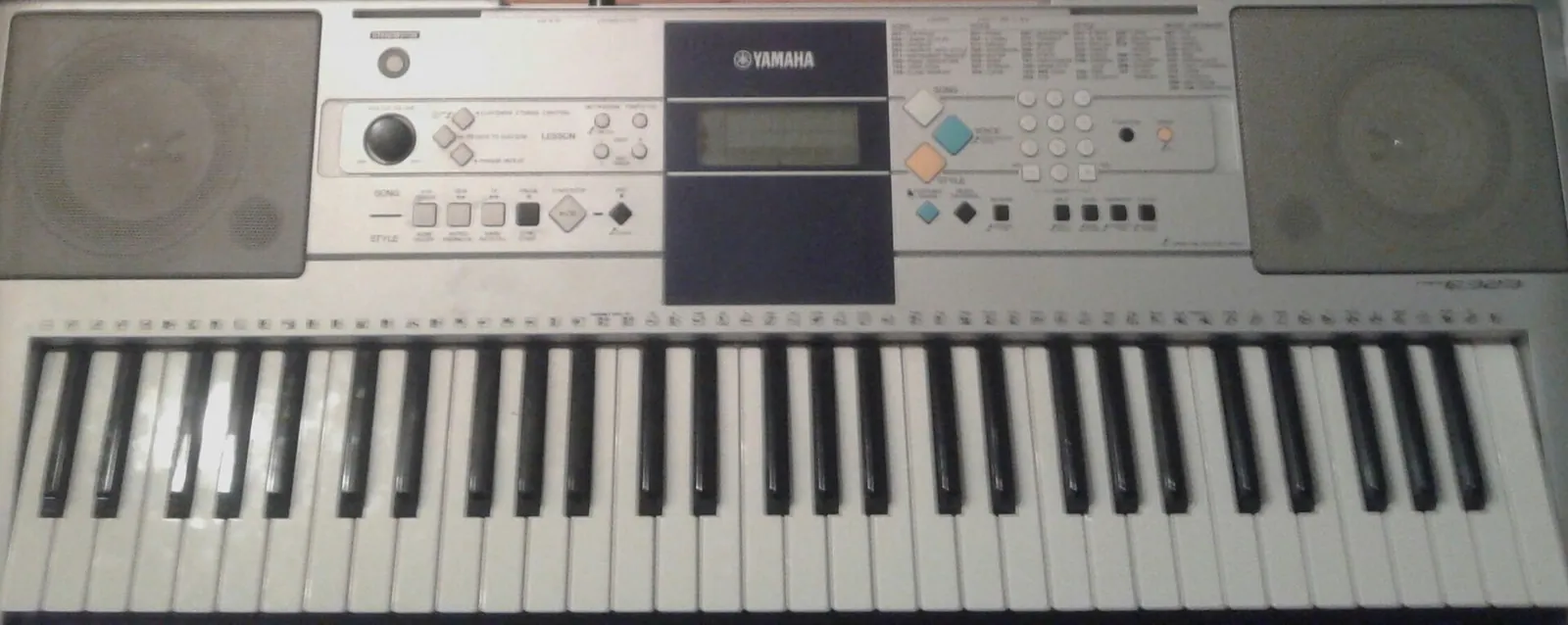
A regular keyboard is smaller, usually with 61 light keys. It doesn’t have the same touch control, and some don’t even take a pedal. It’s fine for fun. For learning piano, your fingers learn a touch that doesn’t work on a real piano.
The brands I recommend
I usually recommend two brands: Yamaha and Casio. Both are good and have technical service here in Brazil, which matters a lot for an instrument that will last for years.
Between the two, I find the sound quality of Yamaha pianos better. It’s an opinion by ear, from someone who plays every day. Try both in the store if you can.
Portable: to start and to carry
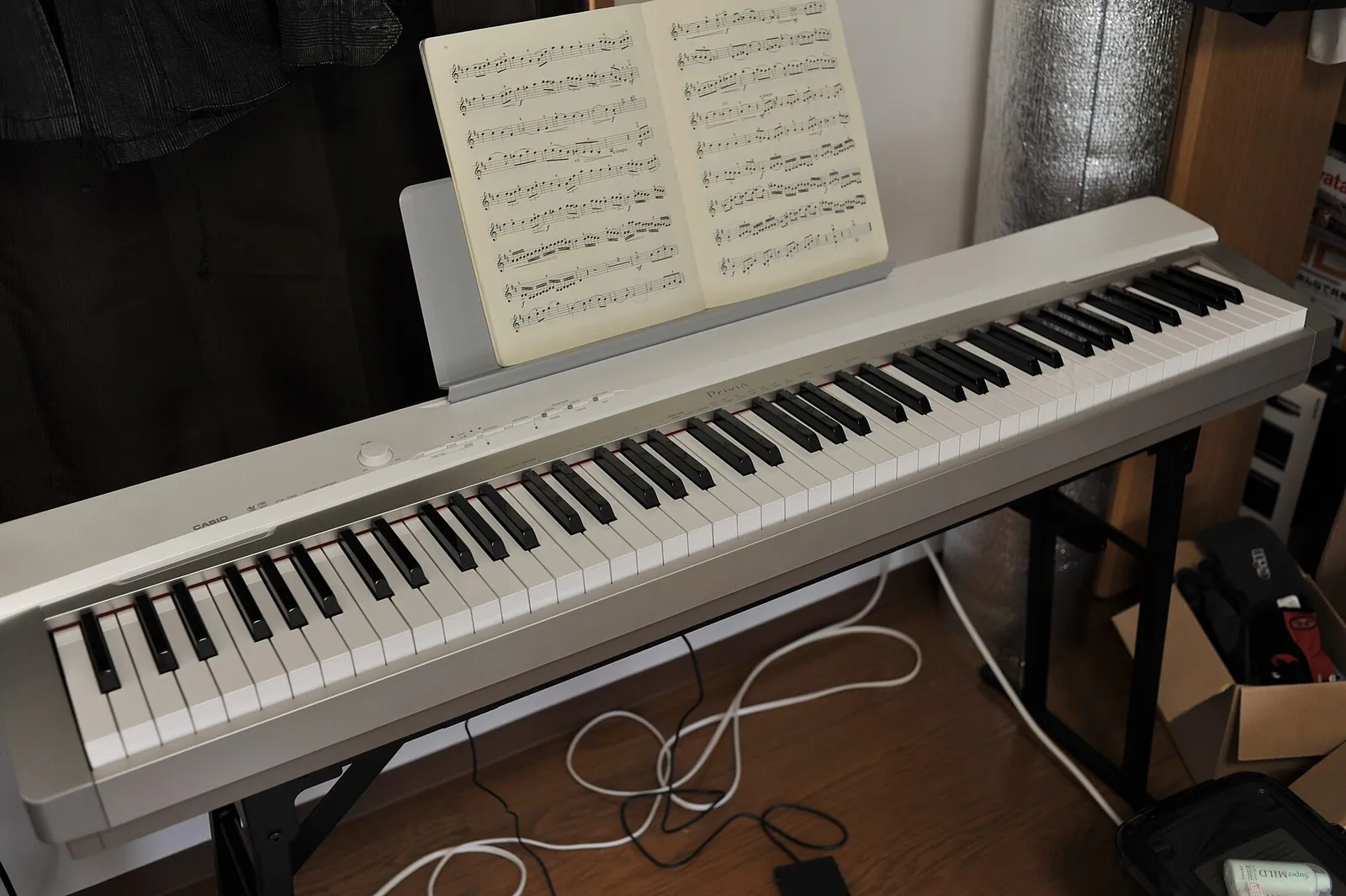
A portable piano is just the instrument, with no cabinet. It sits on an X stand or its own stand, and you can put it away or take it somewhere else. It’s the most common way in.
- Yamaha P-145. The successor of the P-45, which I recommended for years. The P-45 is discontinued, but it still shows up used and is still a good buy. The P-145 is more compact and has a renewed sound. It comes with a simple pedal.
- Casio CDP-S110. Casio’s answer to the P-45/P-145 (in other countries, the same model is sold as the CDP-S105). Light, at 10.5 kg, and it also comes with a pedal.
Cabinet pianos: to stay at home
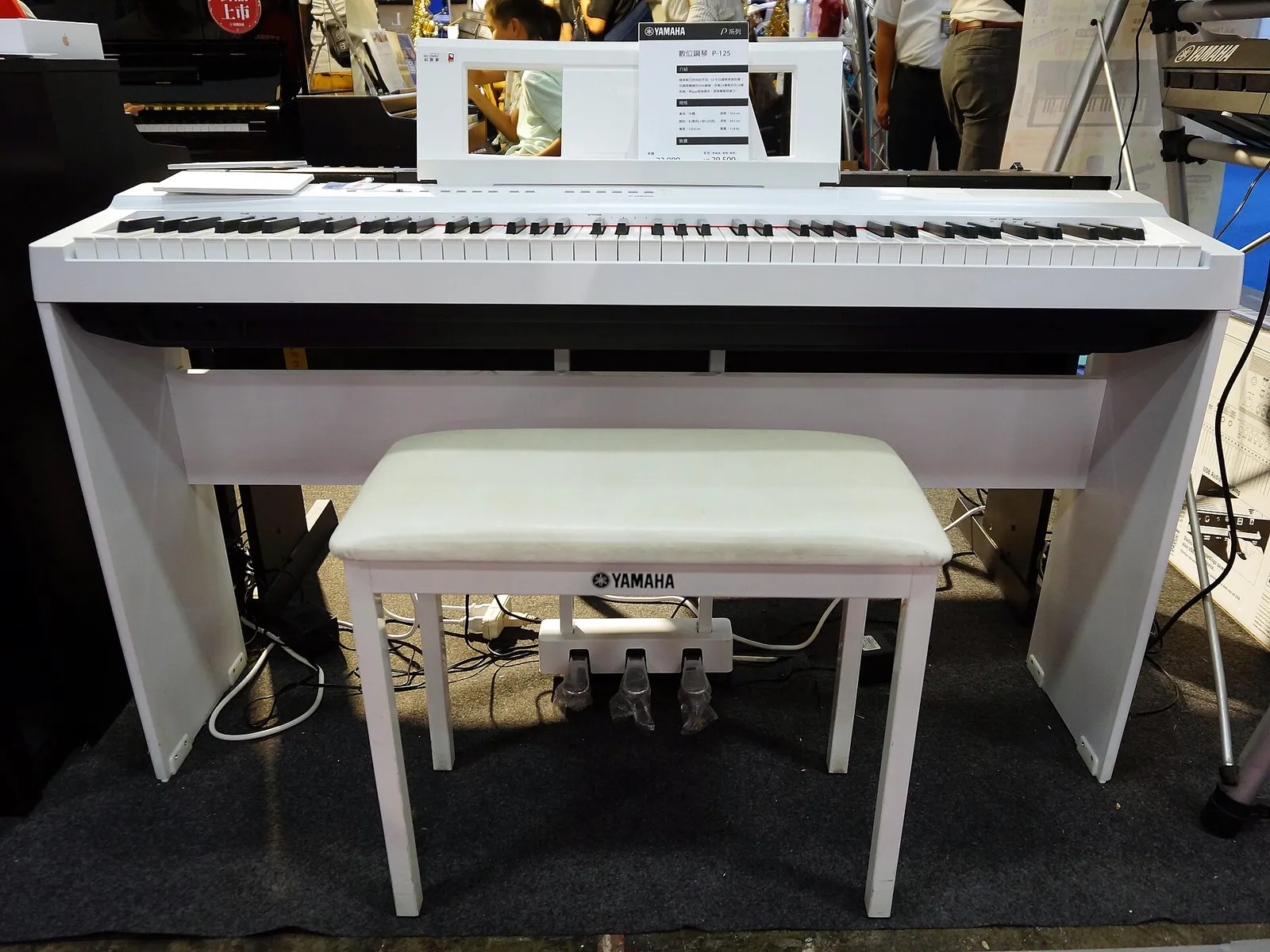
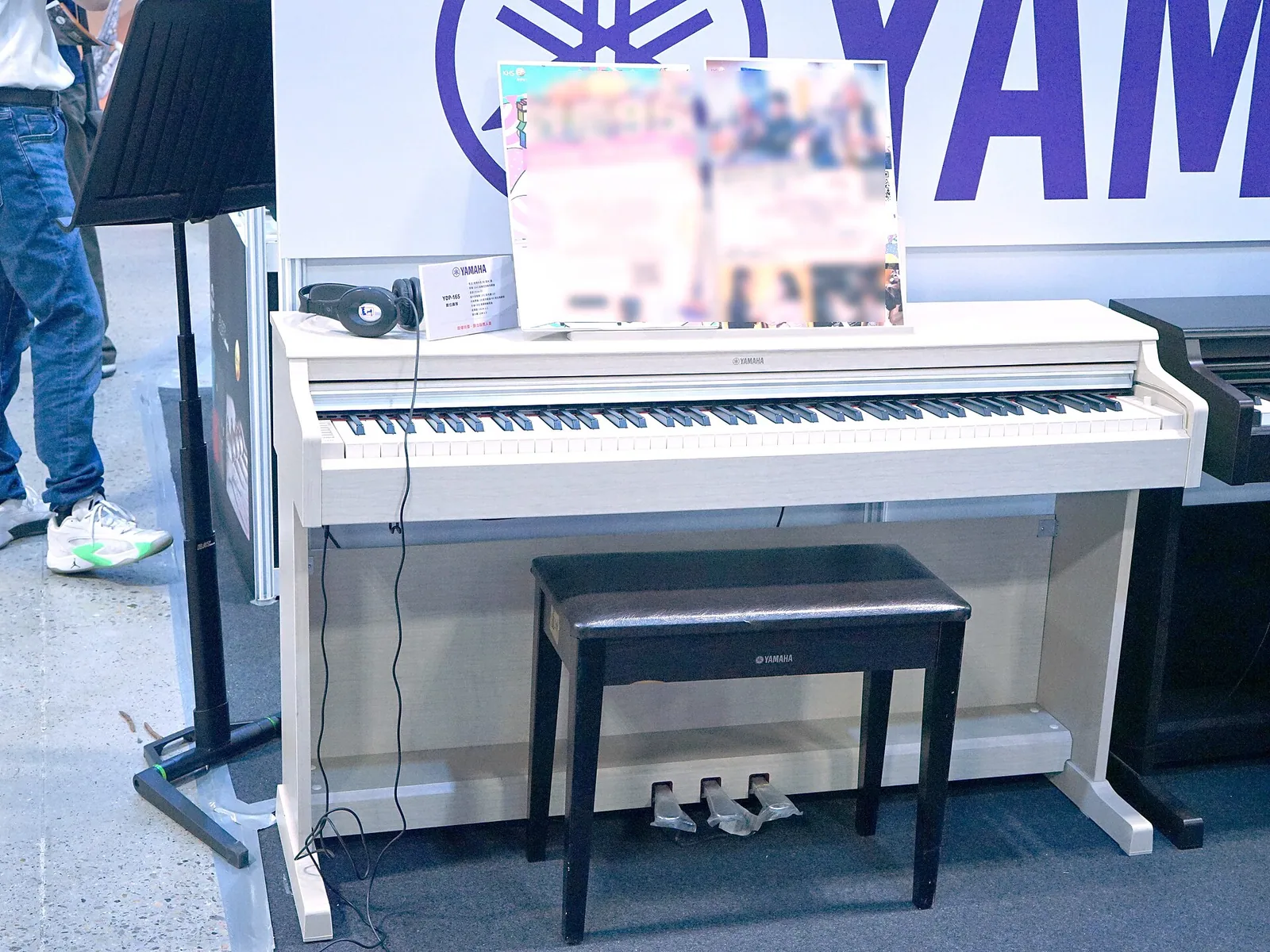
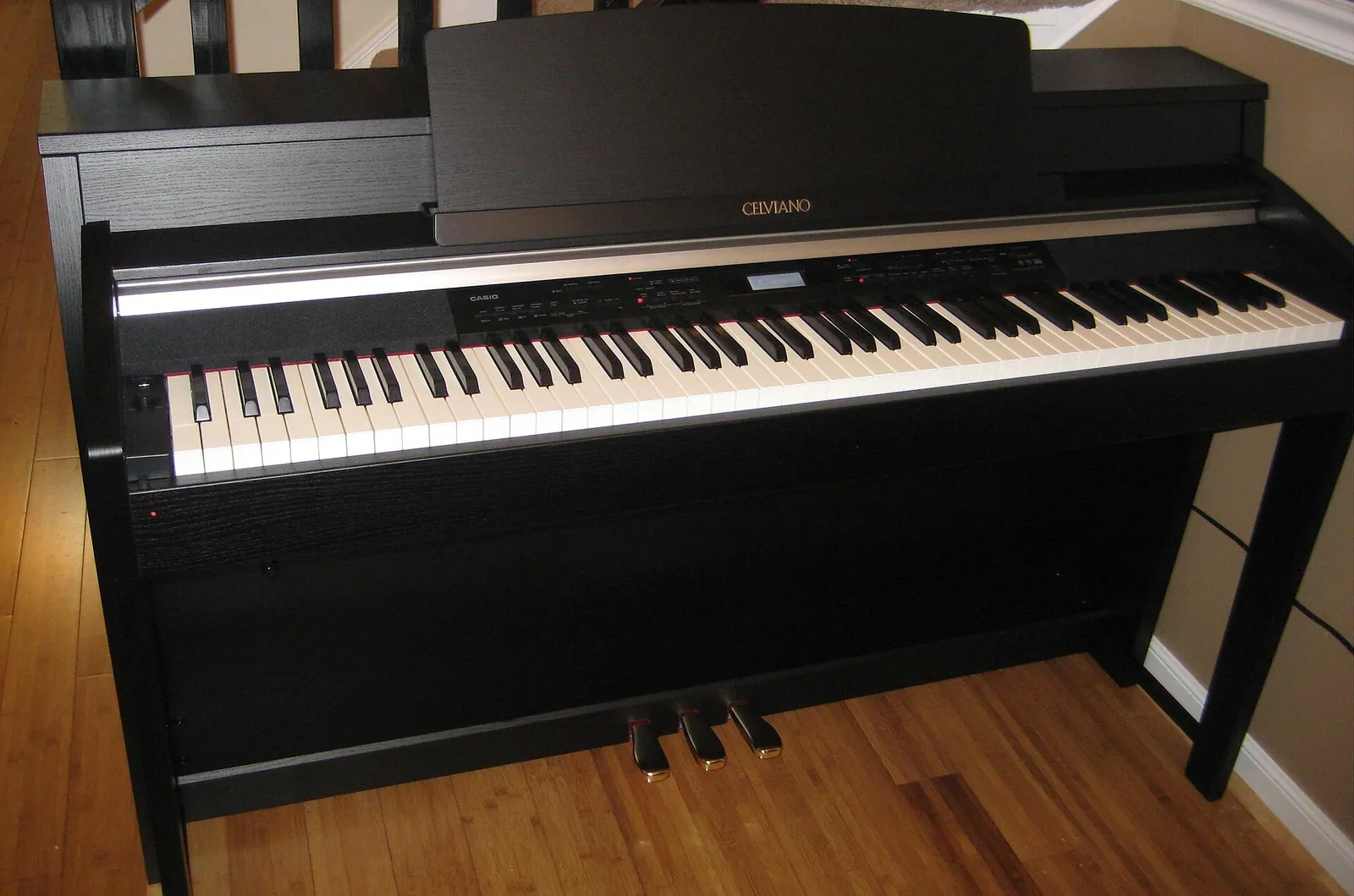
A cabinet digital piano looks like a small upright. It has three fixed pedals, like an acoustic, the keys already at the right height and a sound that fills the room better. For anyone who will practice every day in the same place, it’s a great choice.
- Yamaha Arius YDP-105. The entry model of the Arius line, with a cabinet and three pedals.
- Yamaha Arius YDP-145. One step above the YDP-105, sampled from Yamaha’s concert grand. If your budget allows, it’s worth hearing both side by side.
- Casio Celviano AP-S200. Casio’s answer to the Arius. Slim cabinet, three pedals and plenty of polyphony (192 notes at once, useful when you hold the pedal).
What each one costs
I checked prices on October 30, 2026, in Brazilian reais. The suggested price is from the maker’s website; the store price is the lowest cash price I found at a well-known store. I could not find a suggested price for the AP-S200 on Casio’s site.
| Model | Suggested | In stores |
|---|---|---|
| P-145 | R$ 3,500 | R$ 2,999 |
| CDP-S110 | R$ 3,729 | R$ 2,667 |
| YDP-105 | R$ 7,900 | R$ 6,437 |
| YDP-145 | R$ 8,700 | R$ 7,713 |
| AP-S200 | — | R$ 5,939 |
Instrument prices change a lot from week to week, and Black Friday is coming. Use the table as a reference and check the store before you buy.
Before you buy
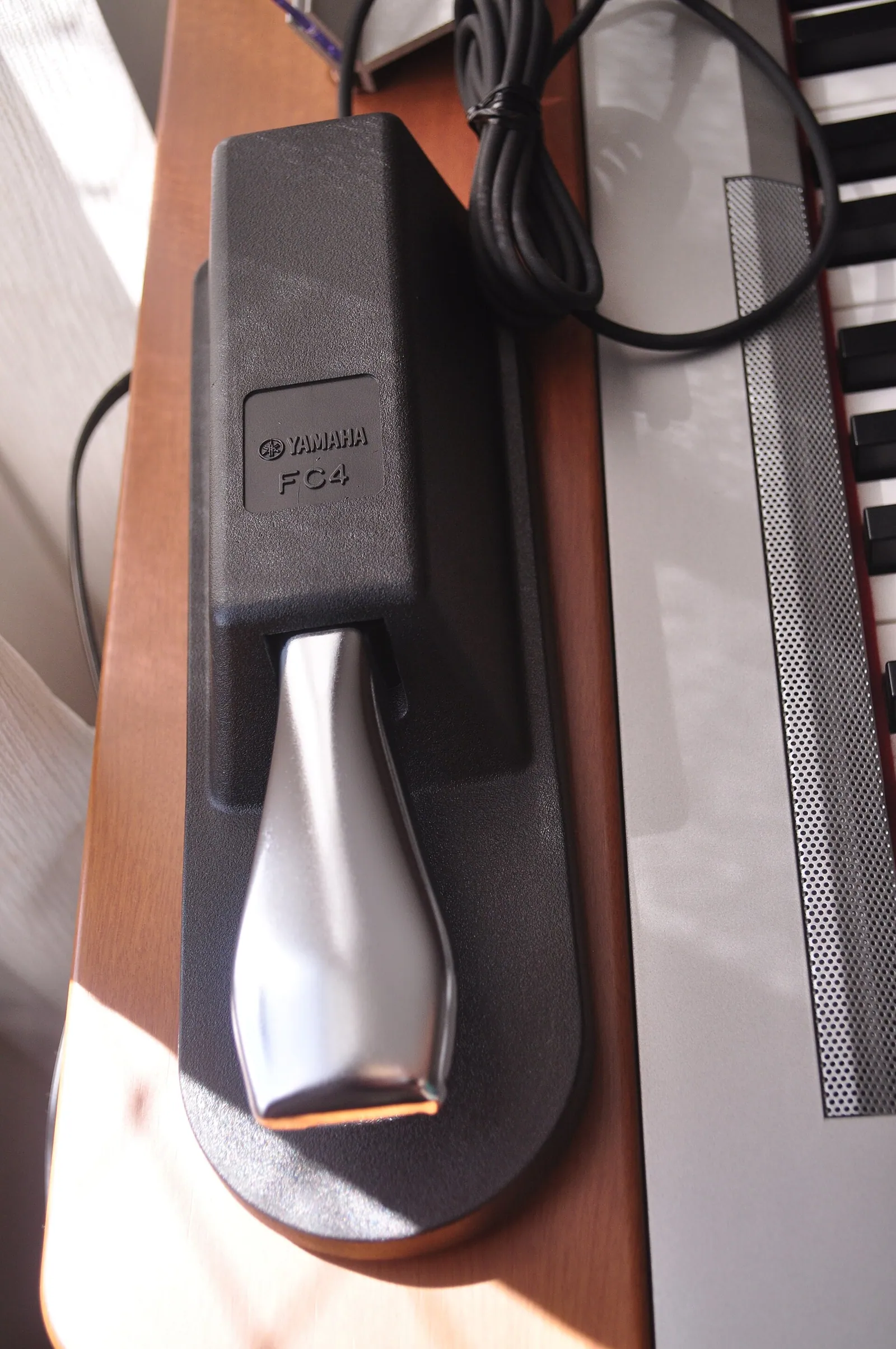
Pedal. Portables come with a small pedal that slides around. A piano-style pedal, like the one in the photo below, costs little and makes a difference.
Height. The bench and stand should put your forearm level with the keys. Bad posture is tiring and hurts your sound.
Headphones. All these models take headphones. That’s what lets you practice at night without bothering anyone.
Used. A P-45 or an Arius in good condition is a great buy. Test every key and the pedals before closing the deal.
Any of these models will serve you well for the first years of study. The most important thing isn’t the perfect instrument: it’s having an 88-key weighted piano at home, and sitting at it a little every day.
Still unsure which piano to get?
In the free trial lesson, we talk about your expectations and goals, and I help you choose the right instrument for this start.
Sources
Suggested prices: official sites of Yamaha Brazil and Casio Brazil, checked in October 2026.
Store prices: Buscapé, Super Sonora, AudioDriver, Loja Filadélfia and Música Mais, checked on October 30, 2026.
Photos: Wikimedia Commons. Solomon203 (CC BY-SA 4.0), Takeshi Kuboki (CC BY 2.0), Kim2480 (CC BY-SA 3.0), Lukaslt13 (CC BY-SA 4.0) and ligia diniz (CC BY 2.0).
Sylvia de Morais. Informational content, reviewed with sources.